
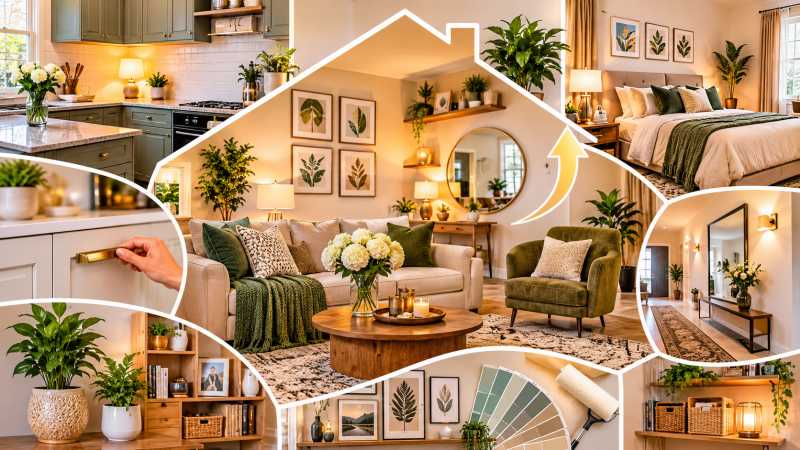
Upgrading your home does not always require expensive renovations, major construction, or replacing all your furniture. Sometimes, small and thoughtful changes can make a significant difference in the appearance, comfort, and functionality of your living space. From rearranging furniture to improving lighting and organizing storage, simple improvements can help create a more beautiful and welcoming home.
A well-designed home should reflect your personality while supporting your everyday lifestyle. Therefore, it is important to focus on upgrades that combine style, comfort, and practicality. Whether you live in a small apartment or a spacious house, you can improve your surroundings by making smart design decisions.
The decoradhouse upgrade tips by decoratoradvice approach focuses on high-impact improvements that make your home look more organized and attractive without requiring a complete renovation. In this guide, we will explore practical home improvement ideas, creative decorating techniques, and affordable upgrades that can transform different areas of your home.
1. Rearrange Furniture to Create More Space
Furniture arrangement plays an important role in determining how a room looks and feels. Even beautiful furniture can make a room appear crowded when you place every item against the walls or block important walking areas.
One effective technique involves floating your furniture. Instead of pushing your sofa, chairs, and tables directly against the walls, pull some pieces slightly away from them. This arrangement creates visual depth and gives the room a more professionally designed appearance.
For example, you can position your sofa a few inches away from the wall and place a small decorative table behind it. Similarly, arrange accent chairs around a central coffee table to create a comfortable conversation area.
However, always maintain enough walking space between furniture pieces.
Useful furniture arrangement tips include:
- Keep doorways and entrances free from obstructions.
- Position sofas and chairs to encourage conversation.
- Avoid placing oversized furniture in small rooms.
- Leave comfortable walking pathways.
- Use rugs to define different areas in open spaces.
- Keep frequently used furniture easy to access.
A thoughtful furniture arrangement can make your existing room feel more spacious without purchasing anything new.
2. Improve Kitchen Lighting With Warm Decorative Lamps
The kitchen is one of the busiest areas in any home. Good lighting helps you prepare meals, organize ingredients, and complete everyday tasks comfortably. However, depending only on bright overhead lighting can sometimes make the kitchen feel less welcoming.
Consider introducing warm lighting to create a more comfortable atmosphere. A small decorative lamp on a kitchen counter can add character while providing gentle evening illumination.
Rechargeable cordless lamps are particularly useful when your kitchen has limited electrical outlets. You can move them whenever necessary and place them wherever additional light would improve the space.
You can also consider:
- Warm LED lighting beneath kitchen cabinets.
- Pendant lights above a suitable island or dining counter.
- Decorative lamps on open counter areas.
- Task lighting near food preparation surfaces.
- Under-cabinet lighting for darker corners.
Remember to keep lamps away from water, heat sources, and areas where food preparation requires a clear surface. Choose lighting fixtures that are safe for kitchen environments.
3. Choose Closed Storage to Reduce Clutter
Storage solutions can significantly improve the appearance and functionality of your home. When everyday objects remain visible on shelves, tables, and countertops, even a beautifully decorated room can look messy.
Closed storage provides an effective solution because cabinets, sideboards, and storage units hide everyday belongings while maintaining a clean appearance.
For example, place frequently used kitchen equipment inside organized cabinets instead of leaving everything on the countertop. In your living room, use a sideboard to store books, remote controls, board games, and other household accessories.
You can also introduce storage furniture that serves multiple purposes.
Consider these practical options:
- Sideboards with doors for living room storage.
- Closed cabinets for kitchen equipment.
- Storage benches for bedrooms and hallways.
- Drawers for organizing small household items.
- Decorative baskets inside cabinets.
Additionally, label storage sections when necessary so you can find items quickly.
The goal is not to hide everything but to create a balanced environment where useful belongings remain accessible without creating visual clutter.
4. Fix Everyday Problems Before Making Decorative Changes
A successful home upgrade should improve functionality as well as appearance. Therefore, identify the small problems that make everyday activities difficult before spending money on decorative accessories.
For instance, an outdated kitchen handle may make a cabinet difficult to open. Insufficient countertop space can make meal preparation uncomfortable. Similarly, poorly organized bathroom storage may waste valuable space.
Start by walking through each room and identifying areas that need attention.
Ask yourself:
- Does the room provide enough storage?
- Are the furniture arrangements practical?
- Do the cabinets and drawers work properly?
- Is there sufficient lighting?
- Can everyone move comfortably through the space?
- Are frequently used items easy to reach?
Once you identify these problems, prioritize the improvements that will provide the greatest benefit.
For example, replacing worn cabinet handles, adding drawer organizers, or improving worktop organization may deliver better results than purchasing unnecessary decorations.
5. Use Mirrors to Make Rooms Look Brighter and Larger
Mirrors are excellent decorative features because they can reflect natural light and create an impression of additional space.
One effective technique involves placing a mirror directly opposite a window. When sunlight enters the room, the mirror reflects that light into other areas, making the space feel brighter.
You can also position a mirror in a darker corner to improve the visual balance of the room.
Different mirror styles can complement different interior designs. A large rectangular mirror can create a modern appearance, while a round mirror can soften a room with many straight lines.
Here are some useful mirror placement ideas:
- Hang a mirror opposite a window.
- Use a full-length mirror in a bedroom.
- Place a decorative mirror above a console table.
- Add a suitable mirror to a narrow hallway.
- Choose a framed mirror that matches your furniture.
Before installing a mirror, check the wall structure and use appropriate mounting hardware. Also, avoid placing mirrors where reflected sunlight could create uncomfortable glare.
6. Decorate With Plants in a Balanced Way
Indoor plants can bring natural beauty, color, and freshness into your home. However, placing too many small pots across every available surface can make your rooms appear cluttered.
Instead, group one or two larger plants in attractive, coordinated planters.
For example, place a tall indoor plant beside a sofa or near an empty corner. You can also position a medium-sized plant beside a decorative cabinet to create a balanced arrangement.
Choose plants according to the amount of natural light and care you can provide.
Some popular indoor plant choices include:
- Snake plants for their architectural leaves.
- Pothos for attractive trailing growth.
- Spider plants for their graceful foliage.
- Peace lilies for their elegant appearance.
- ZZ plants for their attractive, glossy leaves.
However, check the care requirements and pet safety of each plant before bringing it home.
You can also coordinate planter colors with your existing furniture and wall decorations. This creates a consistent appearance without introducing too many different design elements.
7. Add Artwork and Decorative Features to Your Walls
Empty walls can make a room feel unfinished. Artwork, framed photographs, and decorative wall features provide an excellent opportunity to express your personality.
Start by choosing artwork that complements the room’s color palette and overall style. For example, abstract prints can work beautifully in modern interiors, while landscape paintings can create a peaceful atmosphere.
You can also create a gallery wall using different photographs and artwork. Arrange the frames on the floor first to experiment with different layouts before hanging them.
Popular wall decoration ideas include:
- Framed paintings and photographs.
- Minimalist artwork.
- Decorative wall clocks.
- Wooden wall panels.
- Floating display shelves.
- Carefully arranged gallery walls.
When choosing wall decorations, consider the size of your room. Large artwork can make a strong statement in spacious areas, while smaller pieces work well in compact spaces.
Avoid filling every wall with decorations. Leaving some empty space helps maintain a clean and balanced interior.
8. Upgrade Cabinet Hardware for an Affordable Transformation
Replacing old cabinet handles and knobs is one of the simplest ways to refresh a kitchen, bathroom, or bedroom.
Although these details may appear small, they can influence the overall appearance of furniture.
For example, brushed metal handles can create a contemporary look, while matte black hardware can add contrast to light-colored cabinets. Brass or gold finishes can introduce warmth and elegance.
Before purchasing replacements, measure the existing handle holes to ensure that the new hardware fits properly.
You should also choose materials that can handle regular use and cleaning.
If your cabinets remain structurally sound, replacing their hardware may provide a fresh appearance without the cost of purchasing entirely new furniture.
9. Refresh Your Home With a Consistent Color Scheme
Colors influence the atmosphere of a room. Therefore, selecting a coordinated color palette can make your home look more organized and visually appealing.
Start with two or three main colors and introduce additional shades through small decorative details.
For example, a neutral combination of white, beige, and grey can create a peaceful environment. You can then introduce green through plants or add warm accents through cushions and decorative accessories.
Consider these simple approaches:
- Use light colors to create an open appearance.
- Introduce darker shades through accent furniture.
- Coordinate curtains with rugs and cushions.
- Repeat similar finishes across different rooms.
- Avoid combining too many competing colors.
You do not need to repaint every wall to improve your home’s color scheme. Sometimes, changing cushion covers, curtains, lampshades, and decorative accessories can create a noticeable difference.
10. Make Small Rooms More Functional
Small rooms require thoughtful planning because every piece of furniture occupies valuable space.
Choose furniture that provides multiple functions. For instance, a storage bed can provide additional space for blankets and seasonal clothing. Similarly, an ottoman with hidden storage can serve as both seating and a place to keep household accessories.
Use vertical storage to make better use of available wall space. Floating shelves, wall-mounted organizers, and tall cabinets can help reduce clutter on the floor.
You should also avoid oversized furniture and heavy decorations that make the room feel crowded.
Keep pathways clear and allow natural light to reach as much of the room as possible.
These simple improvements can make a small bedroom, living room, or home office feel more comfortable and practical.
11. Create a Simple Home Upgrade Budget
Home improvement projects become easier to manage when you establish a realistic budget.
Instead of upgrading every room at once, divide your improvements into smaller projects. This approach allows you to focus on important changes without creating unnecessary financial pressure.
For example, begin with furniture arrangement and decluttering because these improvements may cost very little. Next, consider upgrading lighting, replacing cabinet hardware, or introducing suitable storage furniture.
A simple priority list can help:
Low-cost improvements:
- Rearranging existing furniture.
- Organizing cabinets and drawers.
- Changing cushion covers.
- Adding affordable artwork.
- Introducing suitable indoor plants.
Medium-cost improvements:
- Installing new lighting fixtures.
- Replacing cabinet hardware.
- Purchasing decorative mirrors.
- Adding storage furniture.
- Refreshing selected walls.
Larger improvements:
- Replacing outdated kitchen cabinets.
- Upgrading flooring.
- Improving electrical systems.
- Renovating bathrooms.
- Making structural changes.
Always prioritize safety-related repairs and essential maintenance before cosmetic improvements.
12. Follow a Step-by-Step Upgrade Plan
The best way to improve your home is to follow a clear process rather than making random purchases.
Begin by evaluating your current space and identifying the areas that need attention. Then, choose upgrades according to their importance, cost, and expected benefits.
For example, you can follow this simple sequence:
- Remove unnecessary items and organize your belongings.
- Rearrange furniture to improve movement.
- Identify lighting and storage problems.
- Repair damaged or outdated features.
- Introduce coordinated decorations.
- Add plants and artwork.
- Review the final arrangement and make adjustments.
This process helps you avoid unnecessary spending and ensures that every improvement contributes to a more functional home.
Conclusion
Improving your home does not always require a complete renovation or expensive interior design services. Small, carefully planned changes can make your living space more comfortable, attractive, and functional.
The decoradhouse upgrade tips by decoratoradvice approach highlights the importance of practical furniture arrangements, warm lighting, organized storage, strategic mirror placement, indoor plants, and personalized wall decorations.
Start with the areas that create the biggest everyday problems. Then, introduce affordable improvements that match your lifestyle and personal preferences. By focusing on functionality, balance, and thoughtful design, you can create a welcoming home that looks beautiful and works better for everyone.
Remember, a successful home upgrade is not about following every design trend. It is about creating a space that feels comfortable, reflects your personality, and makes everyday living easier.
For more info visit DecoradHouse