
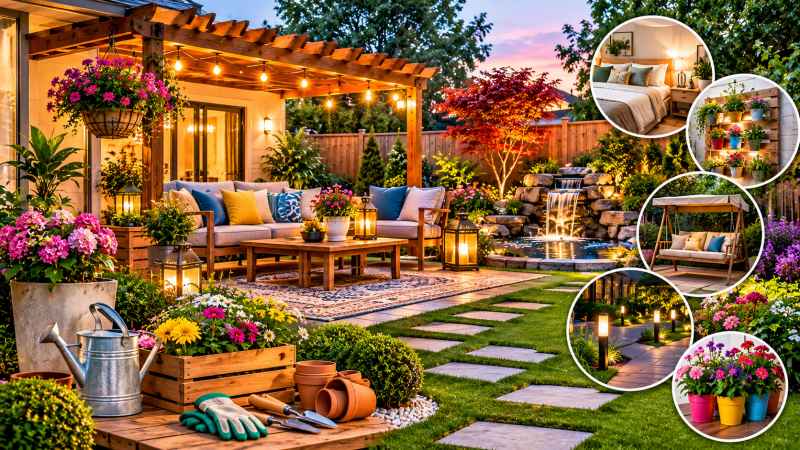
A beautiful garden can transform an ordinary outdoor space into a relaxing, welcoming, and enjoyable environment. Whether you have a large backyard, a small patio, or a simple balcony, the right planning and decorating ideas can help you create a garden that reflects your personality. You do not need expensive furniture or professional landscaping services to achieve an attractive result. Instead, you can combine thoughtful design, suitable plants, creative decorations, and simple maintenance habits.
With practical garden tips decoradhouse, homeowners can learn how to make outdoor spaces more attractive, organized, and comfortable without spending too much money. From choosing the right plants to improving garden lighting, every small improvement can make a noticeable difference.
In this guide, we will explore practical garden planning methods, affordable decorating ideas, comfortable seating arrangements, and maintenance techniques that help you build a beautiful outdoor space.
1. Start With a Proper Garden Layout Plan
Before purchasing plants, decorations, or outdoor furniture, take some time to plan your garden layout. A well-organized design helps you use available space effectively and prevents unnecessary spending.
First, measure your garden and identify its main areas. Decide where you want to place flower beds, walking paths, seating arrangements, and decorative features. Consider how much sunlight different areas receive throughout the day because sunlight plays an important role in plant growth.
For example, place sun-loving flowers in areas that receive several hours of direct sunlight. Meanwhile, choose shade-tolerant plants for corners that receive limited sunlight.
You should also leave enough space between plants and furniture. Comfortable pathways make it easier to move around and maintain your garden.
Useful planning tips include:
- Measure your outdoor space before purchasing anything.
- Identify sunny and shaded areas.
- Create clear pathways for easy movement.
- Reserve a comfortable corner for seating.
- Choose plants according to your local climate.
- Avoid overcrowding decorative items.
A simple plan will help you create a balanced garden that looks attractive and remains practical.
2. Create Visual Depth by Layering Plants
One of the easiest ways to make a garden look professionally designed is to arrange plants at different heights. Instead of placing every plant in one straight line, create layers that add depth and visual interest.
Start by placing tall plants, shrubs, or ornamental grasses toward the back of your garden. Next, arrange medium-sized flowers and leafy plants in the middle. Finally, use small flowers, creeping plants, or ground covers along the front edges.
This arrangement creates a natural visual flow and allows visitors to appreciate different plants without one hiding another.
You can also combine plants with different leaf shapes and growth patterns. For instance, broad green leaves look attractive beside delicate flowering plants. Similarly, ornamental grasses can create movement and texture when the wind blows.
However, always consider the mature size of each plant. Leave enough room for roots and branches to grow naturally.
3. Choose a Simple and Attractive Color Palette
Color selection can significantly influence how your garden looks. Although colorful flowers create excitement, using too many shades in a small space can make the design feel crowded.
Instead, select two or three main flower colors and combine them with different shades of green. This approach creates a peaceful and organized appearance.
For example, white and purple flowers can create an elegant combination. Alternatively, yellow and pink flowers can make an outdoor space feel cheerful and energetic.
You can also coordinate your flower colors with garden furniture, pots, fences, and other decorative features.
Remember that greenery provides a natural background for colorful flowers. Therefore, you do not need to fill every corner with flowering plants. A balanced combination of foliage and flowers often creates a more attractive result.
4. Use Three Different Textures for Garden Decoration
Texture is another important element of outdoor design. Combining different materials makes a garden look more interesting without requiring expensive decorations.
A useful decorating method involves combining three contrasting textures in one small area.
For example, you can arrange:
- A weathered wooden log for a rustic appearance.
- A smooth ceramic planter for a polished finish.
- Soft ornamental grass for a natural and gentle texture.
These materials create contrast while maintaining a balanced appearance.
You can also experiment with stone, metal, wood, clay, and woven materials. For instance, a wooden bench beside a stone pathway and ceramic flower pots can create a beautiful garden corner.
However, avoid using too many decorative materials in one place. A few carefully selected items usually create a cleaner and more attractive design.
5. Try the Pot-in-Pot Gardening Method
Changing seasonal flowers can become time-consuming when plants grow directly inside heavy decorative containers. Fortunately, the pot-in-pot method offers a simple solution.
With this technique, you place a nursery pot inside a larger decorative container. The outer pot remains in its position, while the inner nursery pot holds the plant.
When flowers finish blooming or the season changes, you can remove the inner pot and replace it with another plant.
This method offers several benefits:
- Makes seasonal flower changes easier.
- Protects expensive decorative containers.
- Allows flexible garden arrangements.
- Saves time during seasonal decorating.
- Helps you experiment with different flower combinations.
For better results, choose containers with suitable drainage arrangements. You can use gravel to help stabilize the inner pot, but avoid blocking drainage holes. Also, remove standing water regularly to protect plant roots.
This approach works especially well for patios, balconies, small gardens, and outdoor seating areas.
6. Decorate Your Garden With Recycled Materials
You do not always need new decorations to improve your outdoor space. Recycled and vintage materials can add personality while helping you control your decorating budget.
Look around your home for unused containers, wooden boxes, metal buckets, old furniture, or other suitable materials. With a little creativity, you can transform these everyday objects into attractive garden decorations.
For example, an old wooden box can become a rustic planter. Similarly, unused metal containers can serve as decorative flower holders after proper cleaning and preparation.
One useful trick is to give mismatched items a similar paint finish. Choose one coordinated color, such as white, dark green, or soft grey. This simple change can make different recycled objects look like part of the same garden design.
Before using recycled containers, check that they are safe for plants. Avoid containers that previously held harmful chemicals, and make sure suitable drainage holes are available.
7. Invest in One or Two Statement Garden Features
When decorating an outdoor area, many people purchase numerous small accessories. However, too many small objects can make a garden look disorganized.
A better approach is to invest in one or two larger focal features that attract attention.
For example, consider adding:
- A large decorative planter.
- A small ornamental tree.
- A vertical garden obelisk.
- A stylish outdoor water feature.
- A beautiful garden bench.
- An attractive stone or wooden centerpiece.
Place your focal feature where visitors can easily notice it. You can surround it with smaller plants to create a natural frame.
For smaller gardens, vertical decorations are particularly useful because they create visual height without taking up much floor space.
Choose statement pieces that match your garden’s overall style. This way, your decorations will look intentional rather than randomly placed.
8. Improve Your Garden With Layered Lighting
Outdoor lighting makes a garden more welcoming after sunset. It also improves visibility and allows you to enjoy your outdoor space during the evening.
Instead of depending on one bright light, combine different lighting styles to create a comfortable atmosphere.
Pathway lighting: Install low-level solar lights along walking paths. They help visitors see where they are going while highlighting the garden layout.
Accent lighting: Use a small outdoor spotlight to highlight a beautiful tree, decorative planter, or special garden feature.
String lighting: Hang warm outdoor string lights above a seating area to create a cozy environment.
Lantern lighting: Place suitable outdoor lanterns near benches or tables for additional decorative appeal.
Always choose weather-resistant lighting products designed for outdoor use. Position electrical equipment safely and follow the manufacturer’s installation instructions.
A thoughtful lighting arrangement can turn even a simple backyard into a relaxing evening retreat.
9. Create a Comfortable Outdoor Seating Area
A beautiful garden should not only look attractive but also provide a comfortable place to relax. A dedicated seating area encourages you to spend more time outdoors with family and friends.
Start by selecting a suitable location. Choose a peaceful corner with enough shade and protection from strong winds. If natural shade is unavailable, consider an outdoor umbrella or pergola.
Next, select furniture according to your available space. A small wooden bench works well in compact gardens, while larger backyards can accommodate outdoor chairs and a table.
You can improve comfort by adding:
- Weather-resistant outdoor cushions.
- A small side table for drinks and books.
- Decorative lanterns.
- Outdoor rugs made for exterior use.
- Shade umbrellas or suitable covers.
Keep the arrangement simple so people can move around comfortably.
You can also surround the seating area with fragrant flowers or attractive leafy plants. This creates a peaceful environment where you can read, enjoy morning tea, or spend quality time with family.
10. Maintain Your Garden With Smart Gardening Habits
Regular maintenance keeps your garden healthy and attractive. Even a carefully designed outdoor space can lose its beauty without proper care.
Fortunately, simple habits can reduce maintenance work and support healthy plant growth.
Use organic mulch: Spread a suitable layer of organic mulch around plants to help retain soil moisture, regulate soil temperature, and reduce weed growth. Keep mulch a few inches away from plant stems to prevent excessive moisture around them.
Water plants correctly: Different plants require different amounts of water. Check soil moisture before watering, and avoid keeping roots constantly wet.
Remove weeds regularly: Pull unwanted weeds before they spread and compete with garden plants for nutrients and water.
Prune when necessary: Remove dead branches, damaged leaves, and faded flowers according to each plant’s needs.
Check plant health: Look for signs of pests, leaf discoloration, or unusual growth. Early attention can prevent small problems from becoming serious.
Feed plants appropriately: Use suitable compost or fertilizer according to the plant type and soil condition.
These habits help you maintain a healthy garden without relying on expensive products or complicated techniques.
11. Make Small Gardens Look Bigger
Small outdoor spaces can look beautiful when you use the available area wisely. The key is to avoid unnecessary clutter and choose decorations that serve more than one purpose.
Vertical gardening is one of the most effective solutions. Use wall-mounted planters, hanging baskets, or suitable climbing plants to add greenery without occupying valuable floor space.
You can also use mirrors designed for outdoor conditions to create a sense of additional depth. However, position them carefully to avoid creating hazards for birds.
Choose compact furniture that fits your space. Folding chairs, narrow benches, and small tables can provide comfort without making the garden feel crowded.
Furthermore, use a limited color palette and repeat similar planters to create a coordinated appearance.
A clean layout, vertical greenery, and thoughtful decoration can make even a tiny patio feel like a peaceful garden retreat.
12. Make Your Garden More Sustainable
A sustainable garden supports the environment while helping you manage long-term maintenance costs.
Start by selecting plants that grow naturally in your local climate. Native and climate-adapted plants often require less additional care once established.
You can also collect rainwater where local conditions and regulations allow. Use suitable water containers or rain barrels to store water for gardening.
Consider adding compost made from suitable kitchen scraps and garden waste. Compost improves soil structure and provides valuable nutrients.
Additionally, avoid unnecessary chemical treatments. Use appropriate integrated pest management methods, such as removing affected leaves, encouraging beneficial insects, and selecting resistant plant varieties.
These simple choices help create an outdoor environment that supports healthy plants and responsible resource use.
Conclusion
Creating a beautiful garden does not require a large budget or professional landscaping experience. With proper planning, suitable plants, creative decorations, and regular maintenance, you can transform almost any outdoor space into a comfortable and attractive environment.
The best garden tips decoradhouse approach focuses on balancing beauty, functionality, and affordability. Start with a simple layout, arrange plants at different heights, choose coordinated colors, and introduce interesting textures. Then, add comfortable seating, layered lighting, and a few statement decorations to complete your design.
Most importantly, remember that a garden develops over time. Start with small improvements, observe how your plants grow, and adjust your arrangements whenever necessary. With patience and creativity, you can build an outdoor space that brings beauty, comfort, and enjoyment to your everyday life.
For more info visit Decoradhous