
Decorating your home is one of the most rewarding ways to express your personality while improving your everyday living experience. A well-decorated home does more than look attractive—it creates a comfortable, organized, and welcoming environment for your family and guests. Whether you have just moved into a new house or want to refresh your current space, learning the right decorating techniques can make a significant difference.
If you have ever searched for how to decorate my house decoradhouse, you are in the right place. This comprehensive guide explains everything you need to know about decorating your home like a professional. From choosing the perfect color palette to selecting furniture, lighting, artwork, and accessories, every step will help you create a stylish home that reflects your unique taste.
Unlike expensive interior design services, the ideas in this guide are practical, affordable, and suitable for homes of every size. Whether you own a large family home or a small apartment, these decorating principles will help you maximize every room.
Why Home Decoration Matters
Home decoration is about much more than appearance. A thoughtfully designed home improves comfort, increases functionality, and even boosts your mood. When every room has a clear purpose and attractive design, daily life becomes more enjoyable.
Some of the biggest benefits of decorating your home include:
- Creating a relaxing atmosphere
- Improving organization
- Increasing property value
- Making rooms feel larger
- Enhancing natural light
- Expressing your personality
- Making guests feel welcome
Instead of purchasing random decorative items, create a plan before you begin. Careful planning saves money and helps you achieve a cohesive look throughout your home.
Declutter Before Decorating
Before buying furniture or accessories, remove unnecessary items from every room. Decorating around clutter makes even beautiful spaces feel crowded and disorganized.
Start by sorting everything into four categories:
- Keep
- Donate
- Sell
- Throw away
Work through one room at a time. This method prevents feeling overwhelmed and allows you to see your home’s true potential.
Decluttering also helps you:
- Create more storage space
- Improve room flow
- Reduce stress
- Make decorating easier
Remember that less is often more. Clean, open spaces usually look more elegant than rooms filled with excessive decorations.
Define Your Interior Style
Every beautiful home starts with a clear design style. Mixing too many styles without planning can create a confusing appearance.
Popular decorating styles include:
Modern
Modern interiors feature clean lines, neutral colors, simple furniture, and minimal accessories.
Characteristics include:
- White walls
- Glass furniture
- Metal finishes
- Open spaces
- Simple artwork
Contemporary
Contemporary design follows current decorating trends while remaining functional.
Features include:
- Neutral colors
- Curved furniture
- Natural lighting
- Decorative textures
Scandinavian
Scandinavian homes emphasize simplicity and comfort.
Expect to see:
- White walls
- Wooden furniture
- Soft textiles
- Indoor plants
- Functional storage
Farmhouse
Farmhouse style combines warmth and rustic charm.
Common elements include:
- Wood finishes
- Neutral colors
- Open shelving
- Vintage accessories
- Comfortable seating
Traditional
Traditional interiors focus on elegance and timeless beauty.
They often include:
- Rich wood furniture
- Classic artwork
- Detailed molding
- Symmetrical layouts
Choose one primary style before purchasing furniture or decorations. This decision creates consistency throughout your home.
Build a Cohesive Color Palette
One of the most important decorating principles is choosing colors that work together.
A balanced color palette prevents your home from looking chaotic.
Many designers recommend selecting five main colors:
Two Primary Colors
These become the foundation of your design.
Examples include:
- White
- Beige
- Gray
- Soft blue
- Sage green
Two Neutral Colors
Neutral colors work well for:
- Walls
- Sofas
- Rugs
- Curtains
- Cabinets
Popular neutrals include:
- Cream
- Taupe
- Light gray
- Ivory
One Accent Color
Accent colors add personality without overwhelming the room.
Good choices include:
- Navy
- Emerald green
- Mustard yellow
- Terracotta
- Black
Use accent colors for:
- Throw pillows
- Lamps
- Artwork
- Decorative bowls
- Vases
Maintaining a consistent color palette throughout the house creates harmony and visual flow.
Plan Each Room Carefully
Before purchasing anything, decide how each room should function.
Ask yourself:
- Who uses this room?
- What activities happen here?
- How much storage is needed?
- What furniture is essential?
For example:
Living rooms require comfortable seating.
Bedrooms need restful layouts.
Dining rooms should encourage conversation.
Home offices require productivity.
When every room has a clear purpose, decorating becomes much easier.
Choose the Right Furniture
Furniture forms the foundation of every room.
Instead of buying everything at once, invest in quality pieces that will last for years.
Start with:
- Sofa
- Dining table
- Bed
- Desk
- Storage cabinets
Then add:
- Accent chairs
- Coffee tables
- Side tables
- Bookshelves
Avoid overcrowding your rooms.
Leave enough walking space so people can move comfortably.
Always measure your room before purchasing furniture.
Large furniture can overwhelm small spaces, while tiny furniture may disappear inside large rooms.
Balance is the key.
Think About Scale and Proportion
Professional designers pay close attention to scale.
Everything should relate to the size of the room.
For example:
Large rooms benefit from:
- Oversized artwork
- Large rugs
- Tall plants
- Bigger sofas
Smaller rooms benefit from:
- Slim furniture
- Floating shelves
- Compact lighting
- Mirrors
Proper proportions make rooms feel intentional rather than random.
Decorate Vertically
Many homeowners decorate only at eye level or below.
This leaves empty wall space and makes rooms appear unfinished.
Instead, guide the eye upward by adding:
- Floor lamps
- Tall indoor plants
- Large mirrors
- Floating shelves
- Vertical artwork
- Floor-to-ceiling curtains
These elements increase visual height and make ceilings appear taller.
One of the easiest ways to transform a room is by using vertical design.
Layer Different Textures
Texture creates warmth and depth.
A room filled with only glass and metal often feels cold.
Instead, combine different materials.
Examples include:
Soft textures:
- Cotton
- Linen
- Velvet
- Wool
- Faux fur
Natural textures:
- Wood
- Stone
- Bamboo
- Leather
- Rattan
Mixing textures makes every room feel more inviting.
For example:
A leather sofa paired with soft throw blankets and woven baskets creates excellent balance.
Select Beautiful Flooring
Flooring acts as the foundation of your interior.
Popular flooring options include:
Hardwood
Elegant, durable, and timeless.
Luxury Vinyl
Affordable and water-resistant.
Tile
Ideal for kitchens and bathrooms.
Laminate
Budget-friendly and stylish.
Area Rugs
Area rugs instantly make rooms feel cozy.
Choose rugs large enough to fit under the front legs of your furniture.
Small rugs often make rooms appear smaller.
Large rugs help unify the space.
Use Lighting in Layers
Lighting dramatically changes how a room feels.
Instead of relying on one ceiling light, combine multiple lighting sources.
Professional designers use three layers.
Ambient Lighting
Provides general room illumination.
Examples:
- Ceiling lights
- Chandeliers
- Recessed lighting
Task Lighting
Supports activities such as reading or cooking.
Examples:
- Desk lamps
- Under-cabinet lights
- Reading lamps
Accent Lighting
Highlights decorative features.
Examples:
- Wall sconces
- Picture lights
- LED strips
- Table lamps
Layered lighting creates warmth and flexibility throughout your home.
Style Surfaces with Intention
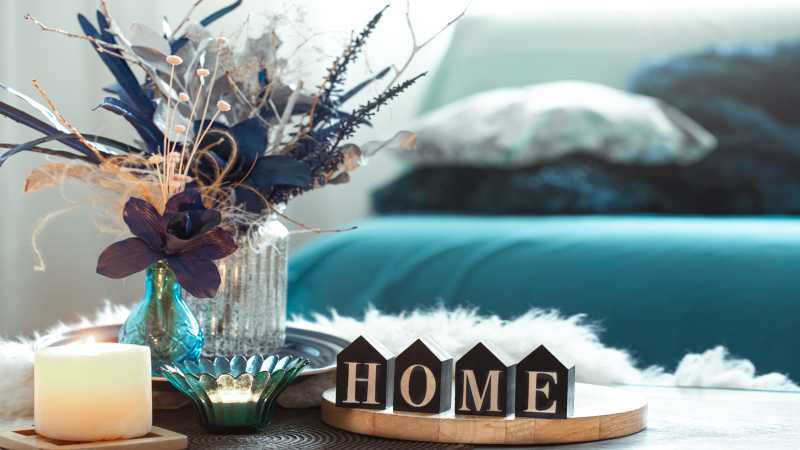
Avoid filling every table or shelf with decorations. Instead, create balanced arrangements that feel curated rather than cluttered. One helpful design technique is the Rule of Three. Group decorative objects in sets of three with different heights and shapes. For example, place a small plant beside a stack of books and a decorative candle. This combination creates visual interest without overwhelming the space.
Another useful approach is the Triangle Rule. Arrange items so the tallest piece sits at the back, with medium and shorter items in front. This subtle triangular arrangement naturally draws the eye and gives shelves, coffee tables, and consoles a professionally styled appearance.
As you continue exploring how to decorate my house decoradhouse, remember that thoughtful styling often has a greater impact than simply buying more décor. Every decorative item should have a purpose, whether it adds beauty, function, or personal meaning.
For more info visit Decoradhous