
Most carpets look perfectly clean on the surface, but their fibres can collect a hidden mix of dust, pollen, pet dander, and other particles brought in from daily life. It is not a sign of poor housekeeping. It is simply what carpets are designed to do.
The challenge is that the things trapped deep inside the fibres are often the hardest to remove. Regular cleaning helps, but some build-up can remain hidden below the surface.
Here’s why this happens and how to keep your carpet truly clean.
Your Carpet Is Holding More Than Just Dirt
A carpet does much more than collect the occasional crumb or visible patch of dust. Its fibres act like a filter, catching tiny particles that float through the air or arrive on shoes, clothing, and pets.
Over time, carpets can collect a surprising mixture of everyday debris. Dead skin cells, pet hair, pollen, and outdoor dirt can all become trapped between the fibres.
These particles may be too small to notice, and the carpet is fully functional, but they contribute to the build-up that happens beneath the surface.
For homes with pets, children, or high foot traffic, this process happens even faster. A dog running through the hallway after a walk or a child playing on the floor can introduce more particles into the carpet than most people realise.
Carpets are not the enemy. In fact, their ability to trap particles is one reason they help keep dust from constantly floating around the home. The problem begins when those trapped particles accumulate, and regular cleaning cannot fully remove them.
A carpet has a memory of everything that happens at home. Every muddy entrance, cosy evening on the sofa, and busy family day can leave behind tiny traces. Over time, those traces become the hidden layer beneath the surface.
The Dust You Cannot See Is Often the Dust That Stays
A carpet can look clean while still holding onto particles hidden deep within its fibres. This is where regular hoovering has its limits. Vacuuming is essential for removing surface dirt, crumbs, and loose debris, but it may not always reach the deeper layers where smaller particles settle.
The type of vacuum, the condition of the carpet, and the cleaning routine all affect how much dust is removed. A quick pass over the most visible areas might make a room look refreshed, but areas with heavy foot traffic often need more attention.
Pets, busy households, and open windows can all contribute to extra dust build-up. Pollen, pet hair, and outdoor particles can easily become embedded over time, especially in carpets that are frequently used.
Using the right vacuum attachments, cleaning slowly, and focusing on edges and corners can improve everyday maintenance. However, even the best hoover cannot always replace a deeper clean. Some dust simply needs more than surface-level attention.
Your Carpet Has a Memory of Every Event
Every carpet tells the story of daily life. A muddy walk after a rainy afternoon, a pet settling into its favourite spot, or a family movie night with snacks on the sofa can all leave tiny traces behind.
The type of activity happening in a home affects what becomes trapped in the carpet. Homes with pets may collect more hair and dander, while households near busy roads may experience more outdoor dust being brought indoors. Even small particles from everyday routines gradually add up.
This does not mean carpets need constant replacing or obsessive cleaning. It simply highlights why regular care matters. Understanding what contributes to build-up makes it easier to choose the right cleaning routine and keep carpets looking and feeling fresh.
A carpet is designed to withstand daily life, but like any hardworking part of a home, it benefits from occasional attention beyond the basics.
Carpet Material Can Change How Much Dust Builds Up
Not all carpets collect dust in the same way. The material, texture, and pile height can influence how easily particles become trapped and how simple they are to remove.
Thick, deep-pile carpets feel luxurious underfoot, but their longer fibres can hold onto more dust and debris. Low-pile carpets with shorter, tighter fibres are often easier to maintain because there are fewer places for particles to hide.
The material also matters. Some synthetic fibres are designed to resist stains and make cleaning easier, while certain natural fibres may require more careful maintenance.
The best choice depends on how the space is used, whether there are pets in the home, and how much foot traffic the carpet receives.
Choosing a practical carpet does not mean sacrificing style. The right balance of comfort, appearance, and maintenance can help keep a home feeling fresher for longer.
The Small Habits That Stop Dust From Taking Over
Keeping carpets cleaner does not require complicated routines. Small changes can prevent dust from building up faster than necessary.
A no-shoe policy is one of the simplest ways to reduce the amount of outdoor dirt brought indoors. Regular dusting also helps, as particles sitting on shelves and surfaces can eventually make their way onto the floor.
Keeping entrances tidy, cleaning pet areas regularly, and vacuuming high-traffic zones more often can all make a noticeable difference. The goal is not to create a home that feels like a showroom. It is about reducing the amount of build-up that carpets have to handle.
Consistent care makes deeper cleaning easier and helps carpets stay fresher between professional treatments.
When Surface Cleaning Is Not Enough
Regular maintenance keeps carpets looking their best, but some hidden build-up requires specialist equipment and expertise.
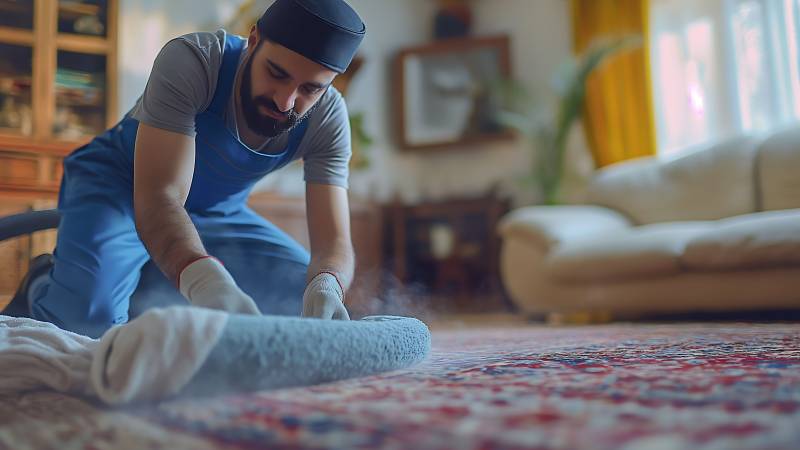
To that end, professional carpet cleaning uses methods that reach deeper into the fibres. They can thus remove the dust and debris that everyday hoovering may leave behind.
Professional carpet cleaning in Clapham can refresh carpets by tackling embedded dirt, stains, and allergens that gradually collect over time. This is especially useful for homes with pets, children, allergies, or areas that experience heavy daily use.
A deeper clean can improve the overall feel of a room, bringing back freshness and helping carpets last longer. Instead of simply making the surface look cleaner, professional cleaning helps restore what is underneath.
Conclusion
Carpets quietly collect the evidence of everyday life, and much of what they hold remains hidden beneath the surface. Regular hoovering and good habits are essential, but understanding the limits of everyday cleaning helps create a more effective routine. A carpet that looks clean is not always completely refreshed.
With the right care, carpets can continue making a home feel comfortable, warm, and inviting. Sometimes, the biggest difference comes from paying attention to the things that are easiest to overlook.